Partner Spotlight: Methow Okanogan Beaver Project
Since 2021, Okanogan Land Trust (OLT) has worked with the Methow Okanogan Beaver Project (MOBP) on combined conservation and restoration projects along Chiliwist and Loup Loup Creeks. Funded through a grant from the Washington Department of Ecology, this collaboration focuses on restoring riparian corridors damaged by wildfire, post-fire flooding, and debris flows.
Core Focus
Restoring riparian corridors and rebuilding beaver wetlands along Chiliwist and Loup Loup Creeks through beaver-based techniques, habitat plantings, and long-term land protection.
Restoring Chiliwist Creek
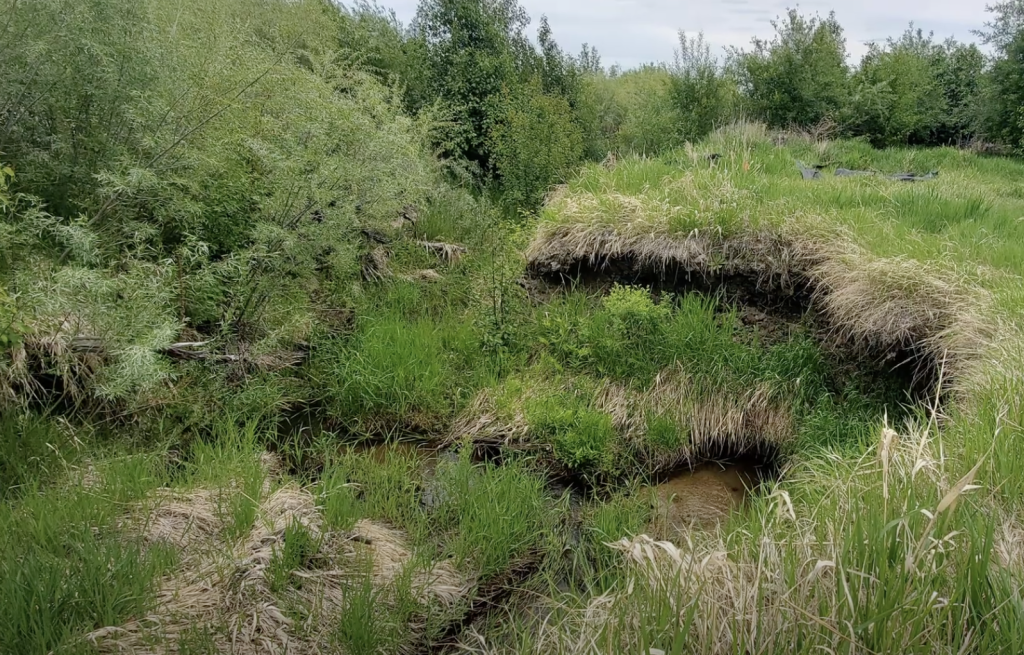
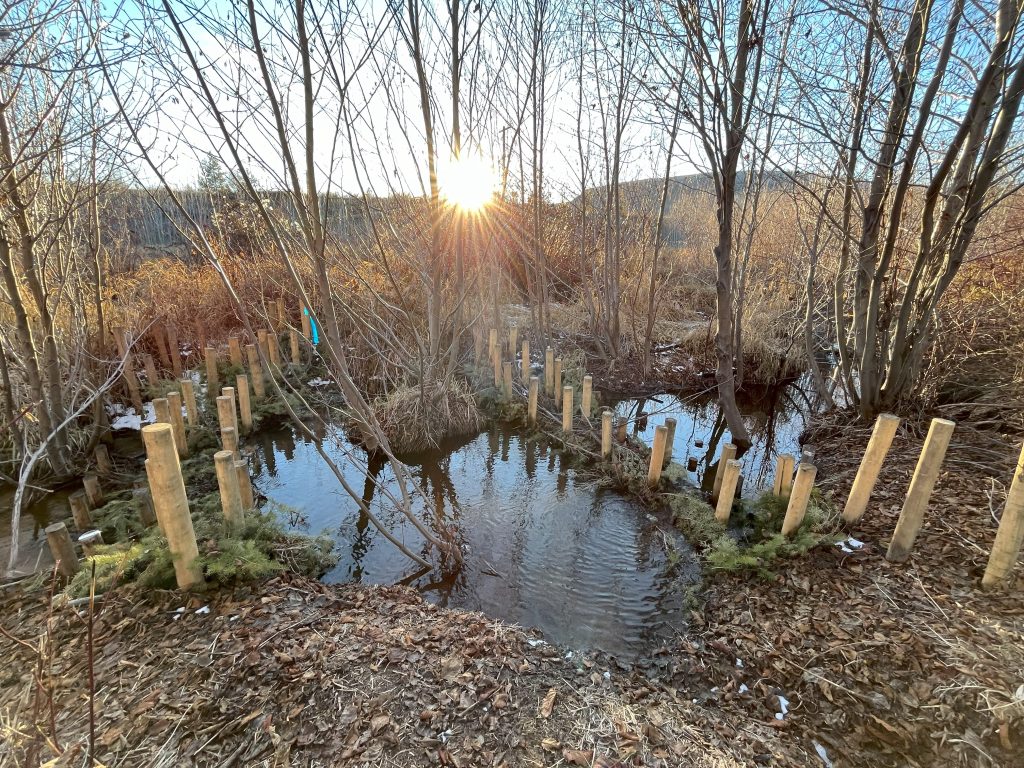
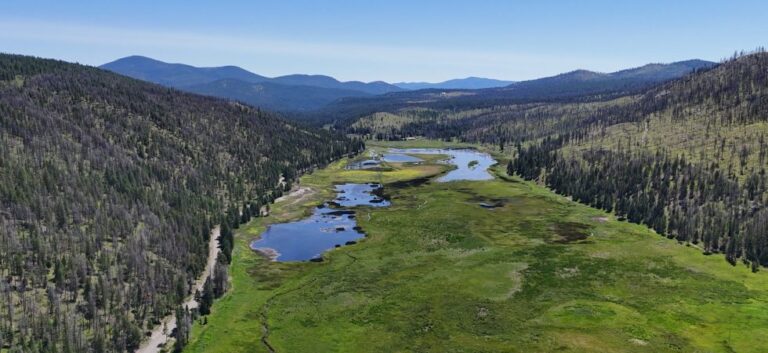
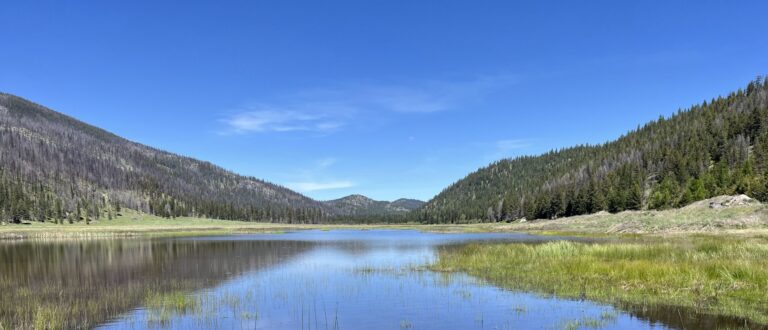
To date, the partnership has protected 0.3 miles of Chiliwist Creek and 169 surrounding acres. Beaver dam analogues and other beaver-based restoration techniques used by MOBP have significantly raised water levels in the creek, moving it much closer to reconnecting with its floodplain in just a few seasons.
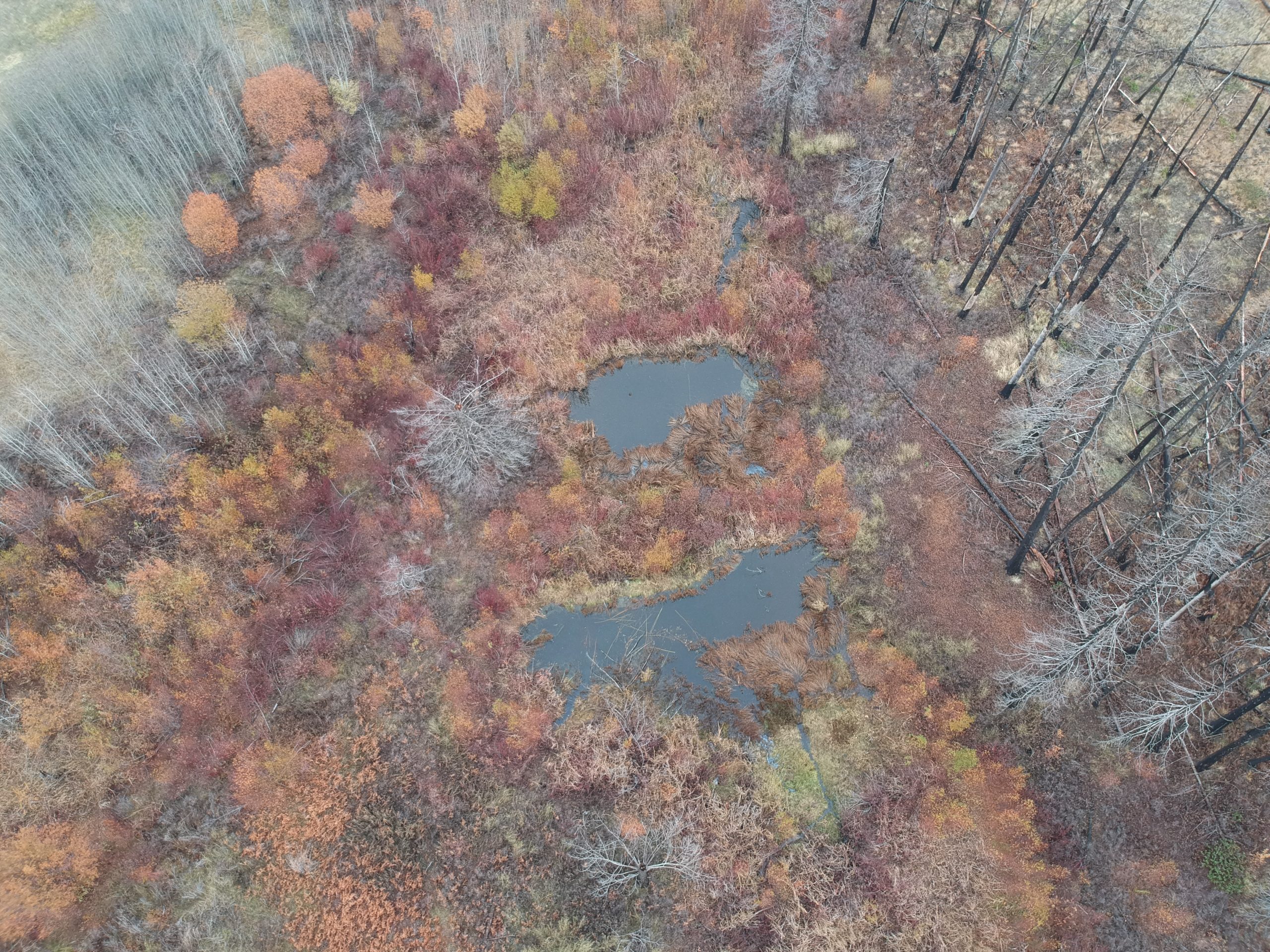
At the same time, relocating beavers from conflict areas, supported by plantings of willows and other food trees, has brought new life to historic beaver ponds on the property—slowing water, storing moisture, and improving habitat for a range of species.
Loup Loup Creek: A Future Cold-Water Refuge
The Loup Loup project has seen similar success from restoration efforts, and perpetual protection of the property via conservation easement is expected to be completed in early 2026. Loup Loup Creek is one of a handful of Okanogan River tributaries projected to still provide summer refuge for salmonids 50 years from now, making this work an important investment in the watershed’s future.
This project also aligns with decades of work by the Confederated Tribes of the Colville Reservation to increase instream flows and address a major barrier to fish passage, tying localized restoration into a broader, long-term vision for the basin.
Key Outcomes
- Protection of 0.3 miles of Chiliwist Creek and 169 surrounding acres
- Raised creek water levels and near-reconnection to the floodplain
- Relocation of beavers and restoration of historic beaver ponds with willow and other plantings
- Parallel restoration work on Loup Loup Creek, with perpetual protection anticipated in early 2026
- Support for future cold-water refuge for salmonids in Loup Loup Creek
- Alignment with long-term tribal efforts to increase instream flows and remove barriers to fish passage