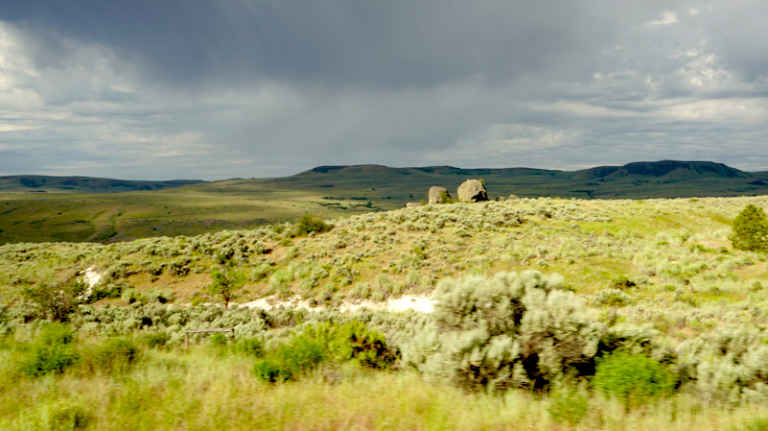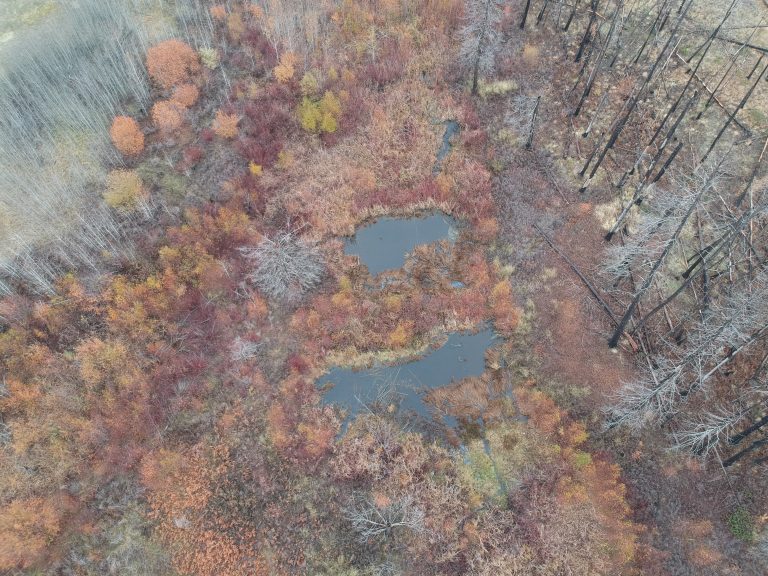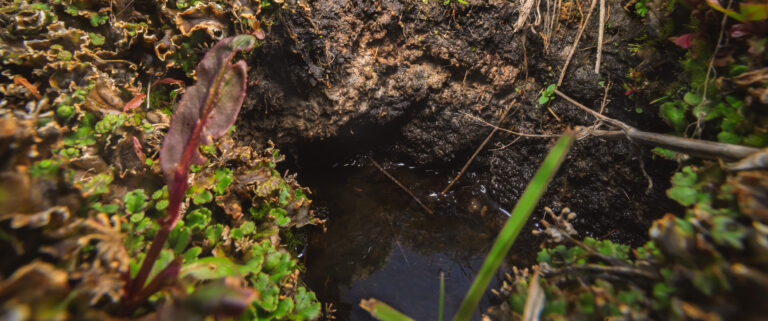
One of the many reasons to protect Bonaparte Meadows is the impact it will have on a whole watershed. Wetlands like this, located in the upper reaches of tributary streams, have an outsize effect on the whole complex system downstream.
It starts with storing water.
In spring, when snow is melting and more precipitation begins to fall as rain, wetlands capture and hold water instead of letting it run off immediately into bigger rivers, and ultimately to the ocean. As the largest peat wetland in Okanogan County by far, Bonaparte Meadows has the capacity to hold a tremendous amount of water, not only on the surface but also underground: its peat soils are estimated to store several thousand acre feet of water.
If Bonaparte Meadows is split up and sold for residential or recreational use – or if peat mining were to continue there – this water storage capacity would be diminished, and we would lose the opportunity to increase it through restoration.
Why does it matter?
Increased water storage means more water seeping into the ground, to be available to plants, animals and people during dry seasons.
The recharging of groundwater percolates through soils, making its way gradually downward, and then emerges in springs and seeps downstream, not to mention wells that draw on groundwater.
Groundwater recharge also helps even out the amount of water in Bonaparte Creek itself. The water held back during high flows limits the destructive force of stormwater and spring runoff. Then, later, when streamflow is at its lowest, that water released, keeping levels in the creek from falling too low.
While being stored in the ground, water is filtered and cooled, so when released it helps improve water quality and temperature in the stream. Colder water in tributary streams like Bonaparte Creek is good for fish, both native trout and salmonids that spawn in the lowest mile of the creek. It also helps cool the Okanogan River itself, which is increasingly too warm in summer for these species.
“Purchasing the [745-acre] property and restoring Bonaparte Meadows to store and moderate the release of groundwater, particularly during low flow conditions, may be critical to continued steelhead production in Bonaparte Creek.” – Chris Fisher, Habitat Subdivision manager for the Anadromous Division of the Fish and Wildlife Program of the Confederated Tribes of the Colville Reservation
More water held back and spreading out across the landscape can act as a firebreak and limit the damage from wildfires.
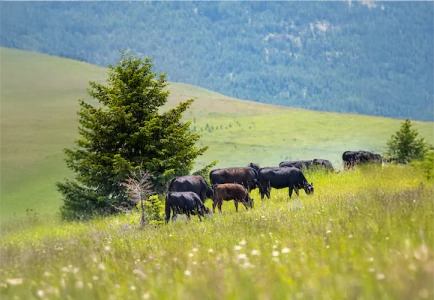
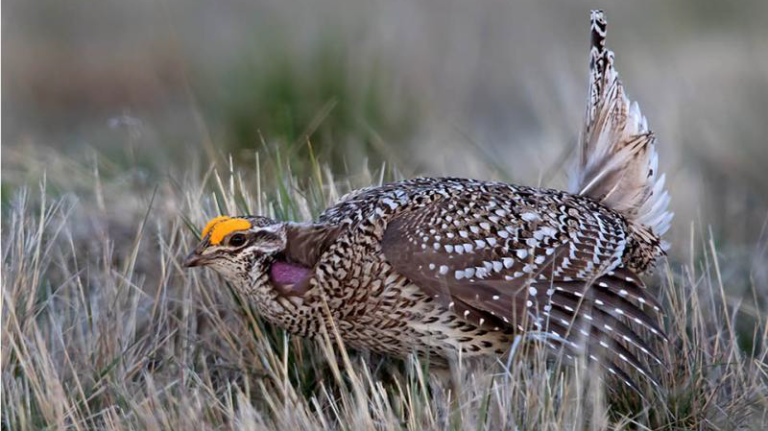
And of course, such wetlands are also amazing habitat for all kinds of plants and animals.
Once acquired, restoration can begin at Bonaparte Meadows, compounding all of these benefits. Because of Bonaparte Meadows location at the headwaters of Bonaparte Creek, the benefits literally ripple throughout the whole watershed, extending well beyond its immediate surroundings.
Click here to learn more about Bonaparte Meadows.